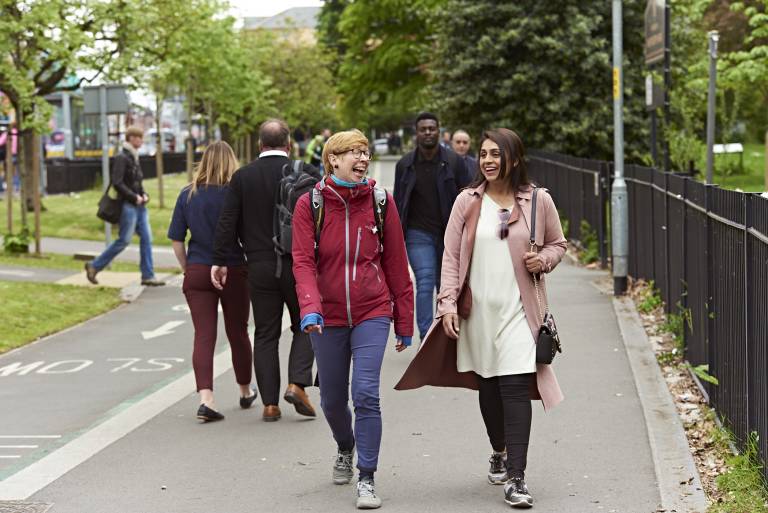

Greater Manchester'sActive Travel Mission
Greater Manchester’s Active Travel Mission
Greater Manchester is committed to building a world-class walking, wheeling and cycling network.
Our vision for the Bee Network is an integrated, affordable, accessible public transport system - with walking, wheeling and cycling at the heart. The city region’s vision and plan for active travel is ambitious, and the delivery of the active travel network continues at pace.
Active Travel Commissioner Dame Sarah Storey, on behalf of the Mayor, leads Greater Manchester’s Active Travel Mission to enable more people to walk, wheel and cycle. The Mission is formed of three foundations underpinned by the delivery of five key priorities.
Monitoring progress is a key part of ensuring success, so each year we share an annual report, to highlight what improvements and progress we’ve made, and future plans. For a quick update, read our 5-minute summary.
Three foundations are at the heart of our Active Travel Mission:
Accessibility
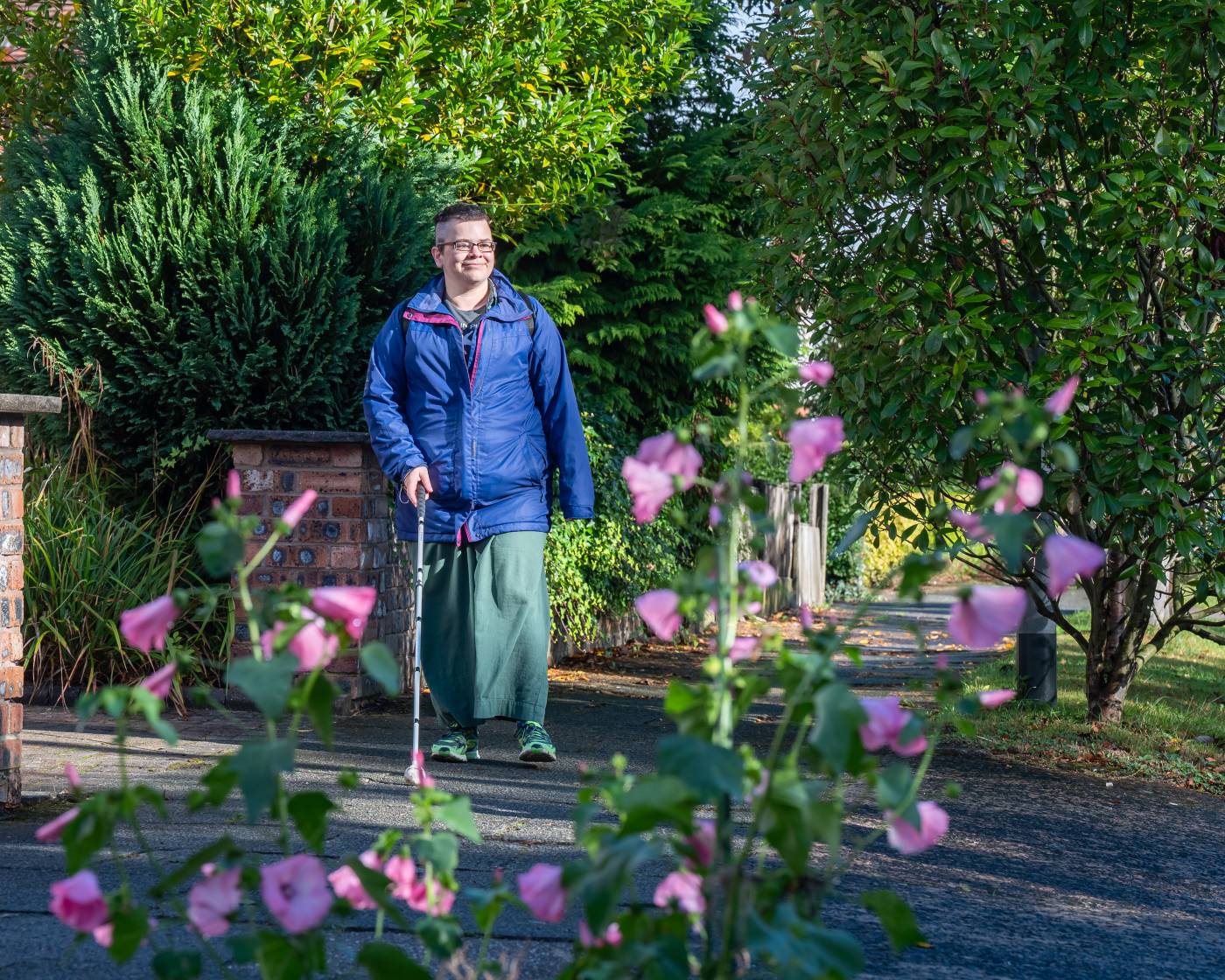
Active travel in Greater Manchester is for everyone. It must be accessible for all and built to consistent standards that go above and beyond local and national standards. That means making space on our streets for the right infrastructure and adaptations.
Behaviour change
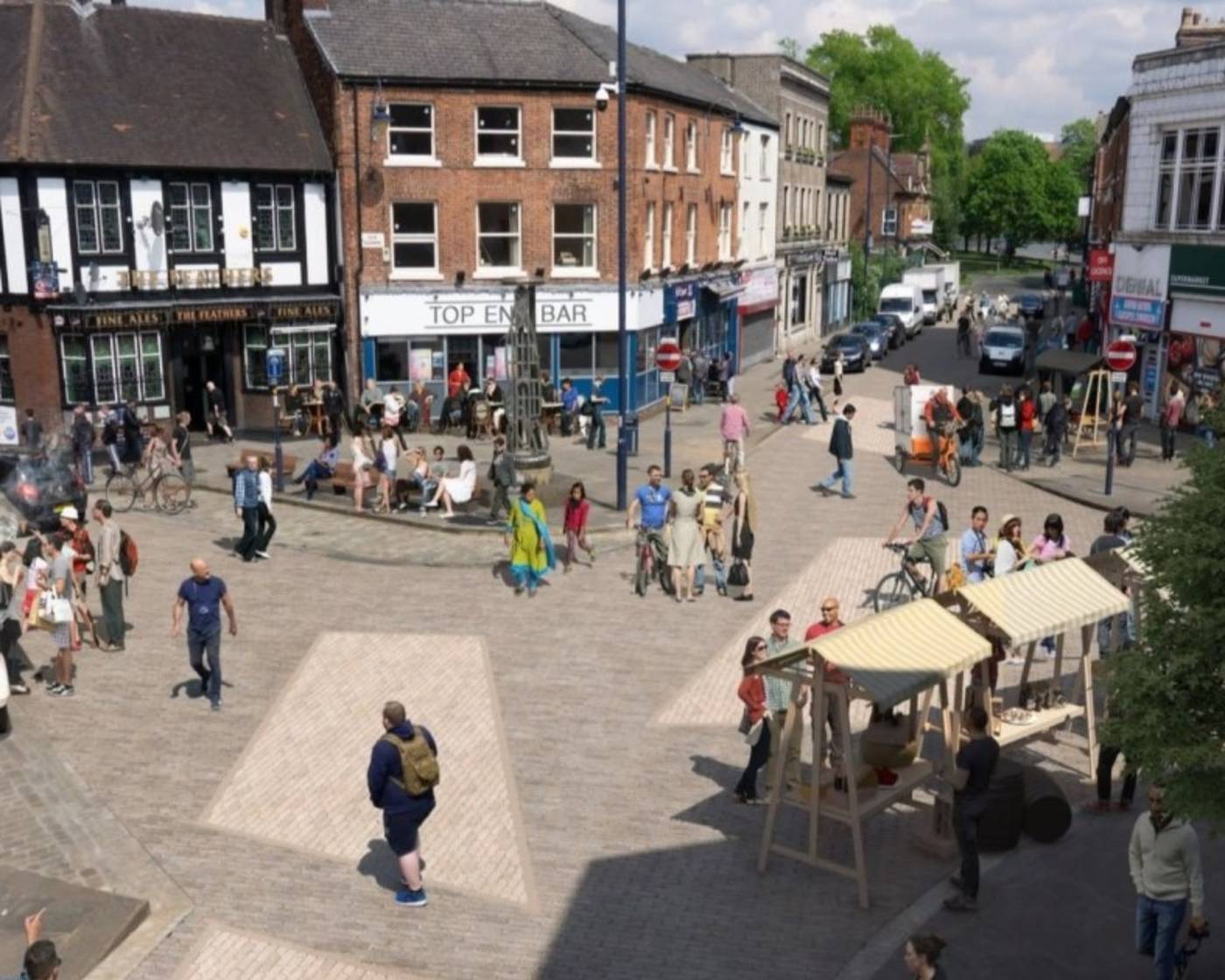
We have a ‘Right Mix’ for 50% of all journeys to be made by walking, cycling and public transport. We’re enabling people to change the way they travel, making journeys by foot, on a bike or on wheels and reducing the number of trips made by car.
Communications and engagement
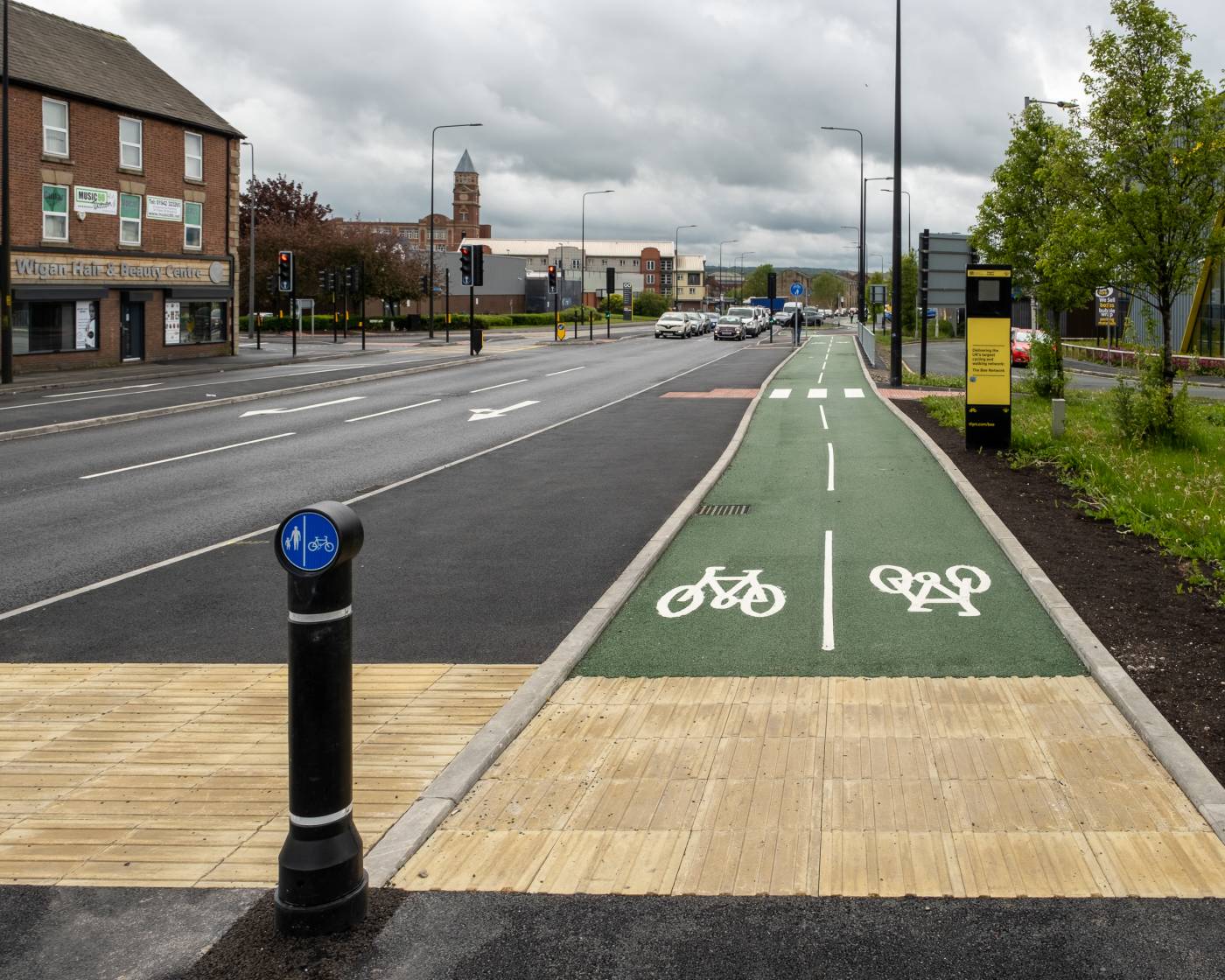
We’re committed to keeping you updated as we roll out improvements. We promise to make sure our communications are open, honest and easy for everyone to understand, and simple to find out how to get around actively.
Five priorities underpin the foundations
Building upon these foundations, there are five key priorities that drive the work and focus of active travel over the coming years with universal accessibility the thread that runs through all we do.

School travel
We want to make sure Greater Manchester schools and other educational facilities can support young people to travel by cycling, walking and wheeling. Whether that’s through School Streets, cycle stands or better education.

Infrastructure delivery
Building a joined up active travel network that everyone can use is at the heart of our plans. We’re making sure cycling and walking infrastructure is central to the wider Bee Network.
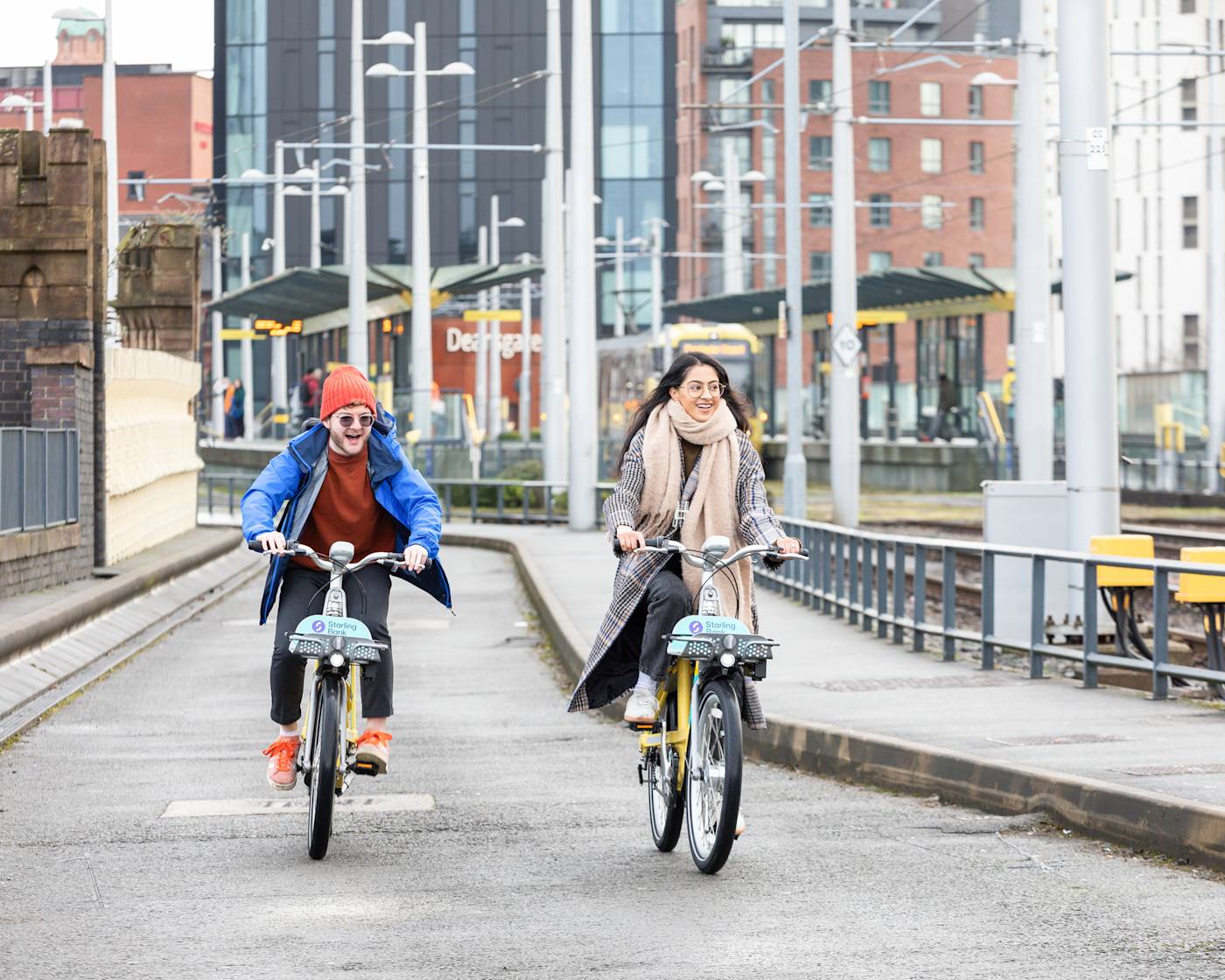
Joining up with public transport
We’re making sure cycling and walking infrastructure links up with trains, trams and buses. So that stops and interchanges are easy and safe to walk, wheel and cycle to and you have a great journey from start to finish.
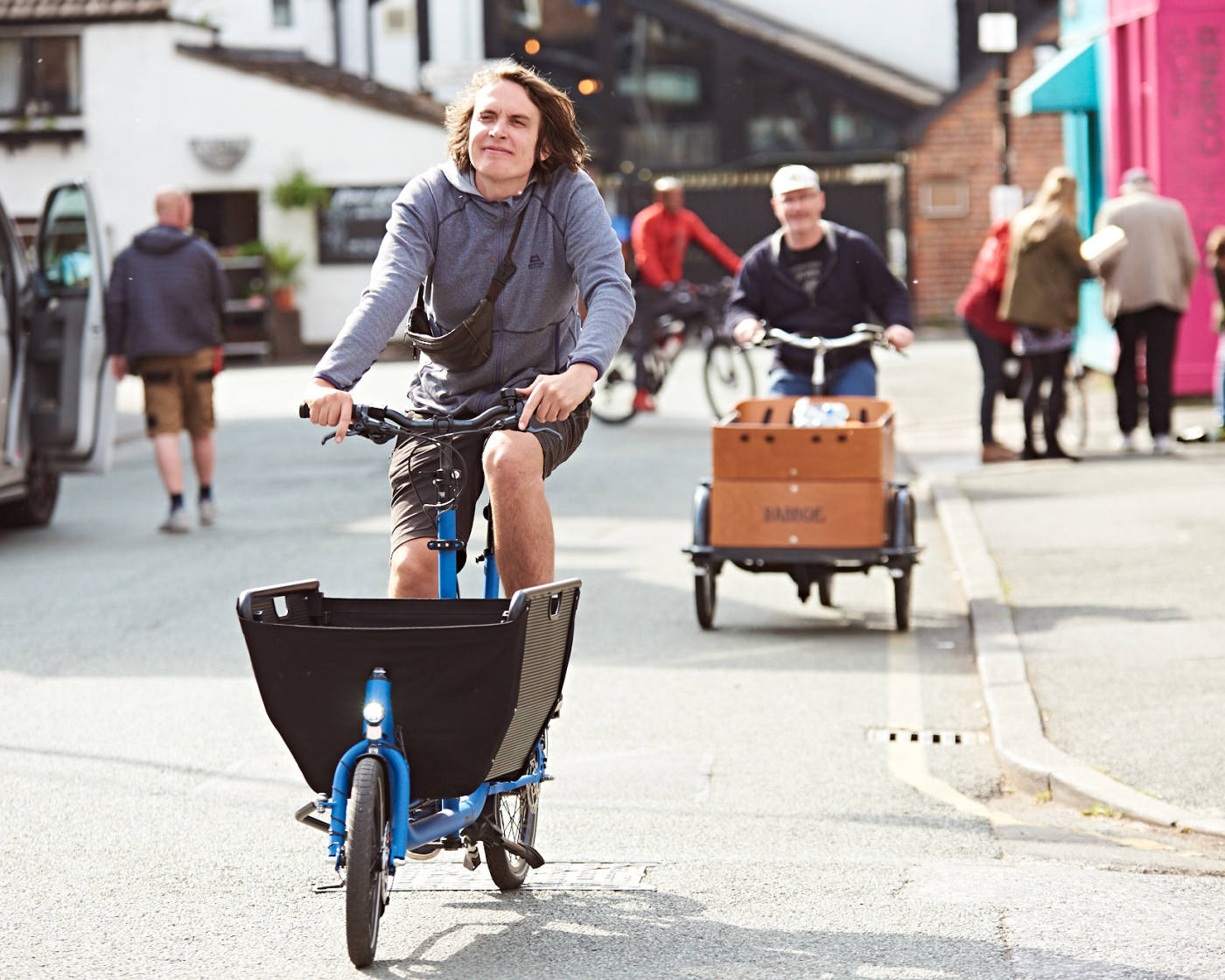
Road danger reduction
Greater Manchester has adopted ‘Vision Zero’, where the target is for no deaths or life-changing injuries on Greater Manchester’s roads by 2040.

Access to active travel, including Starling Bank Bikes
We work with partners on a number of schemes, to help communities and individuals get access to cycles and adapted bikes. We also support these groups with grants. Through Starling Bank Bikes, we have more than 1,000 bikes for hire and half are electric.
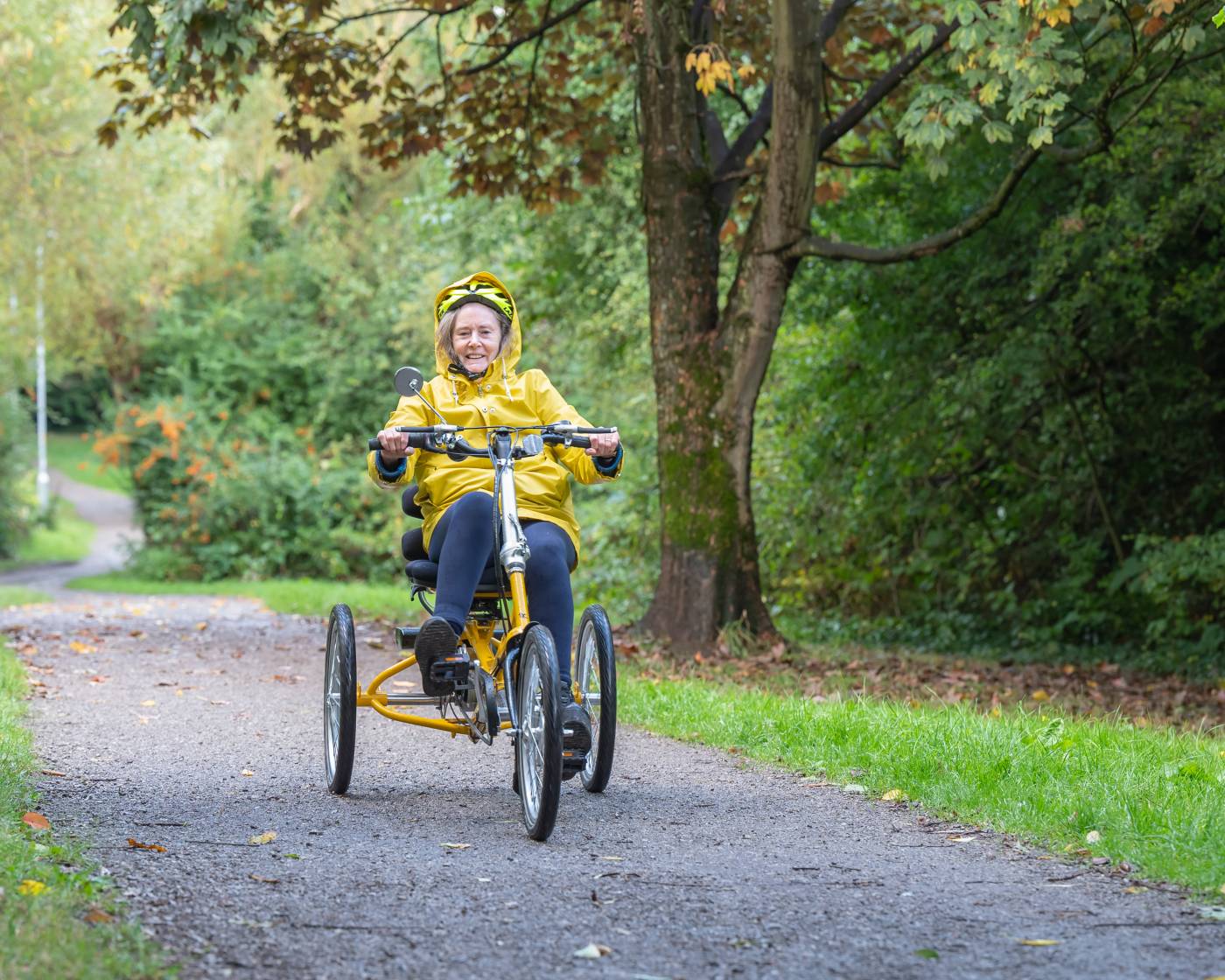
Providing access for everyone
Whether disabled, getting older or living with a health condition, walking or cycling should be a choice for everyone. One way we do this is through the Streets for All.
Progress update: Ongoing work to deliver our Active Travel Mission
We’ve achieved a lot so far, with plenty more to do.
What we achieved in 2025:
Reached 161km of completed Bee Network standard segregated walking, wheeling and cycling routes across Greater Manchester.
Continued to deliver the School Streets programme alongside local authority partners, helping more young people walk, wheel, scoot or cycle to school - with 39 schools benefitting from a safe and child-friendly School Street in 2025.
Worked with partners to roll out the new Vision Zero Strategy and Action Plan (launched in November 2024), supporting our commitment to halve the number of deaths and life-changing injuries on our roads by 2030 and eliminating them completely by 2040.
Embedded walking, wheeling and cycling in the new Greater Manchester Transport Strategy 2050 and Delivery Plan (2027-2037).
Our plans for 2026:
Reach 176km of accessible and easy to use walking, wheeling and cycling infrastructure - to be delivered by the end of 2026.
Define plans for the Strategic Cycle Network (SCN) that outline key cycling routes to link towns and major public transport interchanges, to be published in the summer.
Increase the number of School Streets to 60 by summer, as part of the long-term goal of reaching 100 School Streets by 2028.
By March, publish a plan explaining how cycle hire will be integrated into the Bee Network fare structure and app, making it easier for people to travel by bike, bus, tram and train with a single fare.
By May, share plans outlining how the cycle hire scheme that is currently in Manchester, Trafford and Salford will be expanded to additional areas of Greater Manchester.
Progress plans for side-road zebras - working closely with local authorities who have expressed interest in taking them forward – as well as make progress on enforcement of pavement parking.
Launch an active travel wayfinding pilot in the summer on specific routes, including installation of new Bee Network signage to make the routes easier to navigate.
Allocate funding from the Consolidated Active Travel Fund (CATF) to simple remedial measures, and share updates on how the funding has been used.
Explore options for developing a Greater Manchester Access Controls Policy that reviews the presence of bollards and barriers on walking and cycling routes to limit access to off-road motors. Analyse the impact they have on accessibility and safety for those walking, wheeling and cycling, and publish recommendations.
Work with local authority partners to agree new monitoring and evaluation indicators to speed up the collection of data and evaluate how cycling, walking and wheeling interventions are performing.
Develop proposals for e-scooter and micromobility trials, to be reported to the Bee Network Committee.
Update guidance on cycle lanes at bus stops, informed by national proposals.
Provide an update to Bee Network Committee on enabling cycles to be taken on trams in off-peak periods, once engineering assessments that examine how carriages could be adapted have been completed.
Review the use and purpose of GM Cycle Hubs in light of the development of wider Travel Hub plans – to be included in next Active Travel Annual Report.
Develop an Active Travel Delivery Plan, to be published in the summer.
Focus future funding to facilitate more active travel trips, address satisfaction issues and outline deliverables in the Active Travel Delivery Plan.
Provide an update on Road Danger Reduction plans within the 2026 Annual Report.
(The original 10 recommendations were updated in 2025, following approval at the Bee Network Committee of the 2024 annual report and its recommendations. Read the Commissioner's original 10 recommendations)